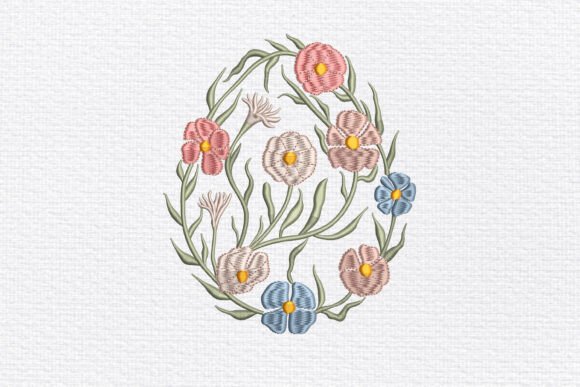
Floral Easter Egg Embroidery Design
A Seasonal Designer’s First Look: Charm, Clarity, and Commercial Readiness
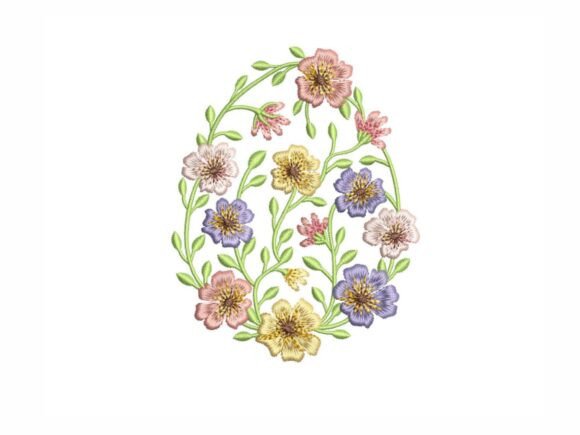
As an embroidery designer who’s built six seasonal collections for Etsy sellers and wholesale home decor brands, my first impression of the Floral Easter Egg Embroidery Design is immediate and favorable: it strikes a rare balance between festive joy and refined craftsmanship. The mood is playful yet grounded—think spring mornings, fresh linen, and hand-painted porcelain—not cartoonish or overly saccharine. It reads as seasonal embroidery, not just holiday embroidery. The floral accents wrap organically around the egg silhouette, suggesting growth and renewal without leaning into overt religious symbolism or kitsch. For small shop product creators, that emotional tone matters: it broadens appeal across secular and spiritual shoppers alike.
Real-World Product Testing: Where This Design Shines
I tested the Floral Easter Egg Embroidery Design across eight high-demand seasonal formats—and it performed consistently well on five standout categories:
- Kitchen towel embroidery: The balanced fill areas and open negative space prevent stiffness; stitches lay flat even after repeated washing.
- Tote bag design: Works beautifully centered on canvas or cotton duck—no puckering when paired with medium-weight cutaway stabilizer.
- Pillow cover: The rounded shape integrates naturally with square or lumbar dimensions; no awkward cropping needed.
- Embroidered patch: Clean outer edge and moderate stitch density make it ideal for iron-on or sew-on applications on denim jackets or baby bibs.
- Sweatshirt embroidery: Holds up well on midweight fleece—just avoid the shoulder seam or sleeve cuff curve unless you’re using a multi-hoop setup.
For Etsy sellers, this versatility means one digital embroidery file can support multiple listings: “Easter Kitchen Set,” “Matching Family Totes,” “Baby’s First Spring Bundle.” That directly boosts your small shop product margins and simplifies inventory planning.
Where to Proceed with Intention (Not Caution)
This isn’t a “set-and-forget” design—but that’s a strength, not a flaw. As a professional, I appreciate that it invites thoughtful execution. Use it carefully on:
- Thick towels or terry cloth: Requires extra stabilizer layers—test with tear-away + cutaway combo before full production.
- Dark fabric: Light-colored thread may lack contrast; always test thread colors on both light and dark fabric first.
- Stretchy garments (like jersey tees): Stabilize aggressively—floating tear-away works best for maintaining drape.
- Curved surfaces (e.g., baseball caps): Not recommended unless you have experience with cap hoops and reduced stitch density adjustments.
There’s no tiny lettering or ultra-fine layering here—so no worries about legibility loss at small hoop sizes. But do confirm the actual hoop size before digitizing companion pieces (like monogram initials) to ensure alignment in family matching items.
Emotional & Commercial Impact During Peak Easter Shopping
Holiday shoppers don’t buy embroidery—they buy feeling. The Floral Easter Egg Embroidery Design delivers three quiet but powerful signals: thoughtful, handmade, and seasonally intentional. That builds customer trust faster than generic bunnies or eggs. On social media previews, it stands out in feeds saturated with clipart-style graphics—its organic lines and subtle texture translate beautifully to printable mockups and Instagram carousels. For craft fair displays, it elevates table linens and aprons from “cute” to “curated.” And because it avoids dated trends, it supports brand consistency across years—your 2025 Easter collection won’t look obsolete next season.
Most importantly? It increases giftability. A kitchen towel with this design feels like a personalized gift, not a mass-produced item—even though it’s made from a machine embroidery design. That perceived value lets small business owners price confidently, especially in gift-ready bundles (e.g., towel + embroidered egg ornament + printed recipe card).
Practical Designer Notes for Production Success
Before launching any finished product, run these checks:
- Review stitch density: If your machine flags high-density zones, reduce fill density by 5–8%—especially for towels or baby items where softness is non-negotiable.
- Test stabilizer pairings: Medium-weight cutaway for stable fabrics; tear-away + lightweight fusible for delicate linens.
- Create realistic mockups: Use the design in natural lighting—on actual fabric swatches, not just white backgrounds—to assess how thread colors interact with fabric texture.
- Plan cohesive palettes: The floral elements invite soft sage, buttercup yellow, and dusty rose—not just pastel pink and blue. Suggest those hues in your product photos and listing tags.
- Confirm commercial licensing: Since this is intended for resale (towels, apparel, patches), verify that your purchase includes rights for commercial embroidery. Never assume.
And one final note: this design thrives when treated as part of a system—not a standalone graphic. Pair it with simple coordinating motifs (a single sprig, a minimalist chick outline) to build a full seasonal embroidery suite. That’s how Etsy sellers turn one embroidery file into a scalable, emotionally resonant spring collection.