Floral Remains Embroidery
A Designer’s First Look: Hauntingly Beautiful, Deeply Meaningful
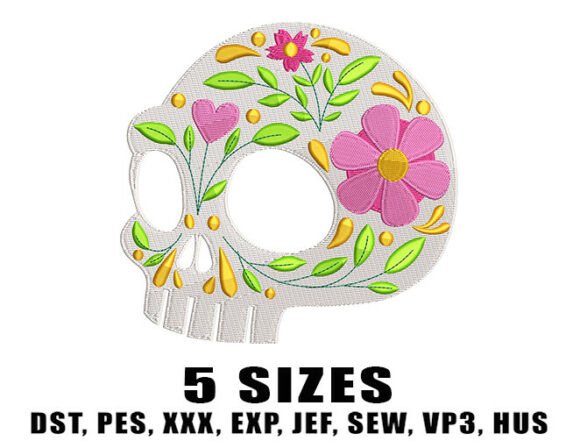
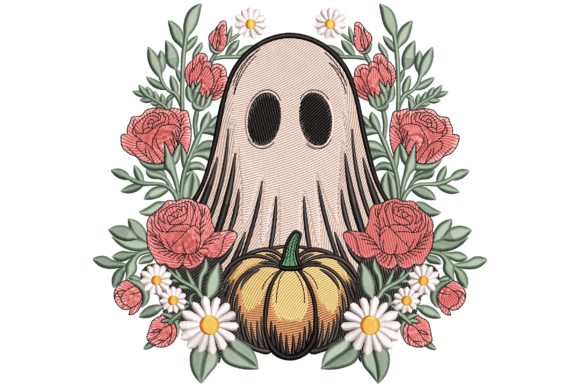
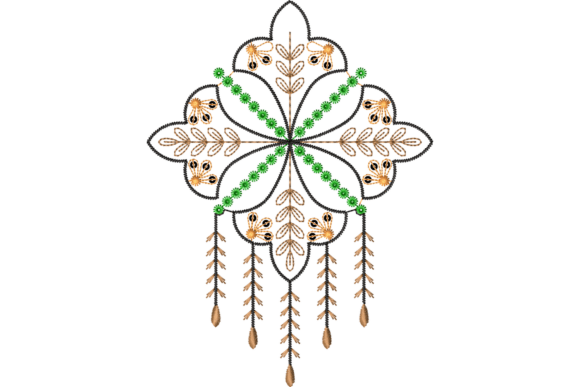
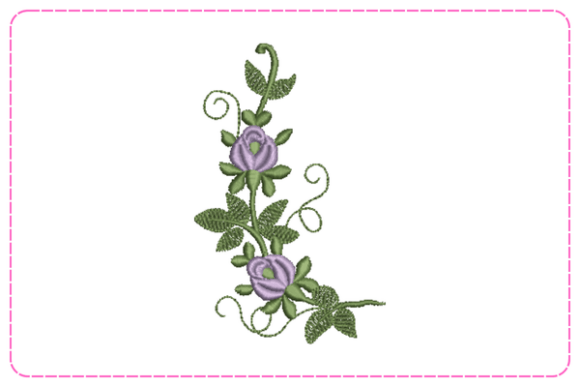
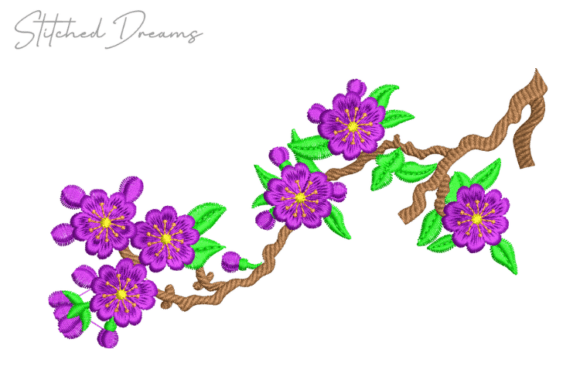
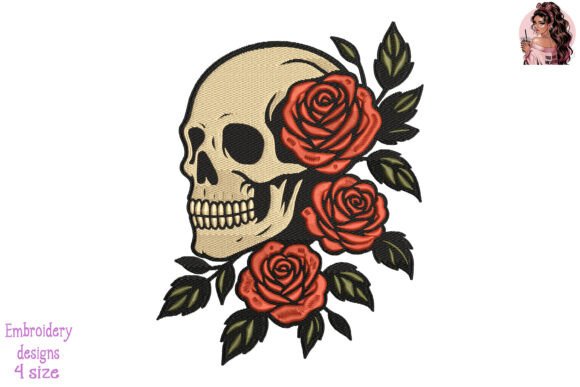
As an embroidery designer who’s tested hundreds of machine embroidery designs for personalized gift shops and Etsy sellers, I approached Floral Remains Embroidery with quiet curiosity — not just for its evocative name, but for its emotional resonance. This isn’t a cheerful daisy chain or a glittery pumpkin. It’s a handcrafted textile piece where delicate floral motifs meet subtle decay — think wilted petals, soft stem erosion, and faint botanical silhouettes stitched with reverence. The mood is elegant, introspective, and quietly powerful. It feels handmade, intentional, and deeply romantic — not in a clichéd way, but in the way heirloom linens feel: tender, time-worn, and full of story.
Why This Design Fits So Many Personalized Gift Niches
Floral Remains Embroidery shines brightest when it carries meaning — not decoration. For baby embroidery, it works beautifully on organic cotton swaddles or linen nursery wall hangings, offering gentle contrast to typical pastel motifs. Parents seeking depth over sweetness respond strongly to its quiet symbolism: growth, fragility, and the quiet beauty of impermanence.
As a wedding gift, it transforms simple items into keepsakes — imagine it stitched onto a silk pillow cover for the couple’s first home, or subtly embroidered along the hem of a handkerchief. It’s also ideal for anniversary or vow renewal gifts, especially for couples who appreciate artful minimalism over traditional monograms.
For kitchen and home goods, Floral Remains Embroidery elevates everyday items: embroidered towels gain quiet sophistication; linen aprons become conversation starters; canvas tote bags feel curated, not commercial. Small shop owners and craft fair vendors tell me customers linger longer when they see this design — it invites touch, reflection, and connection.
Nursery decor, blanket embroidery, and custom pillow covers all benefit from its balanced scale and organic flow. And because it avoids literal Halloween imagery (no bats, no skulls), it fits year-round — though its moody elegance does make it a compelling seasonal option for October gifting, especially for mature audiences or alternative celebrations.
Where to Use It Thoughtfully — and Where to Pause
This design thrives on stable, medium-weight fabrics: linen, quilting cotton, twill, and midweight denim. But it demands intentionality. Avoid using Floral Remains Embroidery on highly textured fabric like terry cloth or heavily napped fleece — fine details can blur or disappear. Thick towels? Possible, but only with extra stabilizer and adjusted tension — test thoroughly before committing to a batch.
Stretchy baby clothes — onesies, knit blankets — are not ideal. The delicate line work and subtle gradients rely on stability; stretching distorts both shape and emotional impact. Curved surfaces (like rounded mugs or contoured pillow forms) also challenge precision — stick to flat or gently tapered items like pillow covers, flat totes, or framed hoop art.
Dark fabric requires special attention: confirm your thread colors offer enough contrast. A pale ecru thread on charcoal linen may read as whisper-thin — consider richer neutrals or low-saturation charcoals instead. And if your finished product will face frequent washing (think kitchen towels or baby bibs), verify stitch density supports durability — overly sparse stitching risks fraying over time.
How It Elevates Your Brand & Customer Trust
In a crowded marketplace, Floral Remains Embroidery helps small shop owners stand out — not through flash, but through feeling. Customers report higher perceived value when this design appears on their custom order previews. Why? It signals craftsmanship, narrative intention, and emotional intelligence in curation. That builds trust fast.
It also photographs exceptionally well: soft shadows, layered textures, and natural light reveal its nuance without heavy editing. For Etsy sellers, that means stronger thumbnails, better click-through rates, and more saved listings. For brick-and-mortar gift shops, it draws slower, more engaged browsing — people pause, read the tag, ask questions.
Most importantly, it deepens the handmade product experience. When customers understand the care behind choosing *this* motif for *that* milestone — a birth, a marriage, a remembrance — they don’t just buy a pillow cover. They invest in continuity. That emotional connection translates directly into repeat orders and word-of-mouth referrals.
Practical Embroidery Notes Every Maker Should Follow
- Always test on scrap fabric — especially when switching between light and dark substrates or adjusting stabilizer type.
- Review thread color contrast carefully. The design’s power lives in subtlety — ensure your chosen palette enhances, not obscures, its quiet drama.
- Confirm hoop size compatibility before digitizing or scaling. Some versions may require larger hoops — check your file specs.
- Assess stitch density for your intended use: high-density areas need stronger stabilizer; low-density zones may need topping for texture clarity.
- Use appropriate stabilizer — cutaway for stretchy or unstable fabrics, tear-away for crisp linens, and water-soluble topping for dense fill areas on textured surfaces.
- Compare light and dark fabric mockups side-by-side before finalizing a listing or customer preview.
- Inspect small details post-stitching — petal edges, stem tapering, and negative space should remain legible and intentional.
- Verify commercial licensing before selling finished products. If you’re an Etsy seller or wholesale partner, confirm your digital embroidery file permits commercial embroidery use — don’t assume.
Final Thoughts for the Intentional Maker
Floral Remains Embroidery isn’t just another machine embroidery design — it’s a storytelling tool. It invites makers to slow down, choose meaning over mass appeal, and create personalized gifts that resonate long after the wrapping paper is gone. Whether you’re stitching baby embroidery for a mindful new parent, curating wedding gifts for soul-deep couples, or building a small shop product line rooted in authenticity, this design rewards thoughtful application. It reminds us that the most memorable handmade products don’t shout — they breathe, they linger, and they leave room for the person holding them to find their own meaning.