Lovely Wildflower Floral Wreath
A Designer’s First Look: Soft, Circular, and Quietly Confident
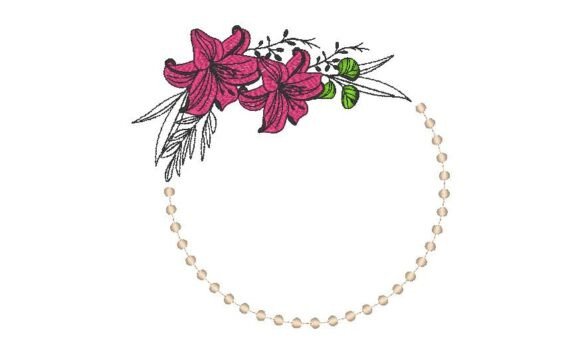
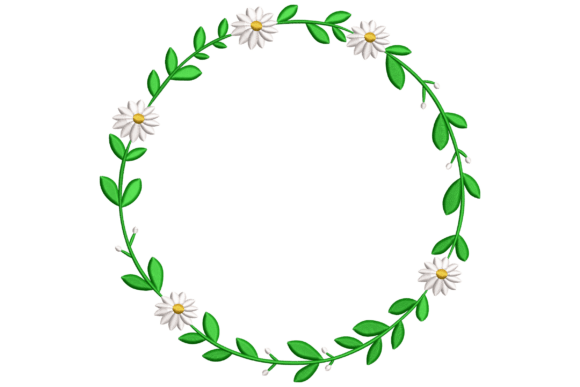
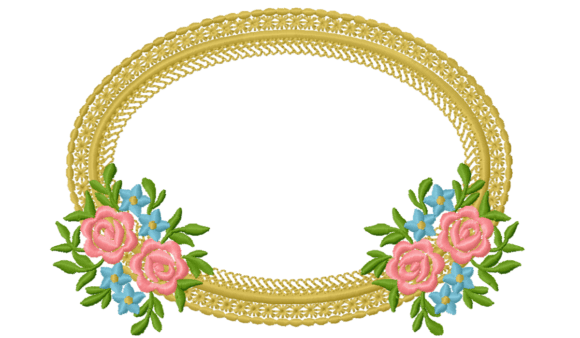
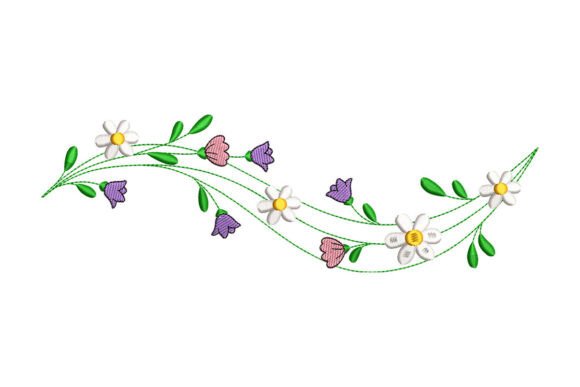
When I opened Lovely Wildflower Floral Wreath, I didn’t see just another floral wreath—I saw a mood. It’s gentle but not timid, detailed but not fussy, circular but never static. The arrangement of daisies, cornflowers, poppies, and trailing greenery feels intentionally unstructured—like wildflowers gathered by hand at dawn. There’s breathing room between the blooms, no overcrowding, no forced symmetry. That’s rare. Most machine embroidery designs in the Floral Wreaths category lean either too rigid or too busy. This one lands in that sweet spot where handmade charm meets clean digital execution.
Real-World Use: What Happens When You Stitch It on a Linen Tote?
Last week, I used Lovely Wildflower Floral Wreath to embroider a natural linen tote for a local boutique’s spring collection. Not as a test swatch—but as the hero design on the front panel, centered just below the strap seam. The result? Customers paused. They touched the stitching. They asked, “Is this hand-stitched?” (It wasn’t—but it *felt* like it could be.) That’s the power of thoughtful composition: the balance of satin stitch petals, subtle fill stitch centers, and light running stitch stems gave dimension without bulk. On textured fabric like linen, the design didn’t fight the grain—it settled into it. No puckering. No lost detail.
Where It Shines—and Where It Asks for Care
Lovely Wildflower Floral Wreath excels on stable, medium-weight fabrics: cotton tea towels, midweight sweatshirts, structured aprons, baby bodysuits, and pillow covers. It reads beautifully at 4–5 inches wide—ideal for tote bags, cap fronts, or nursery wall hangings. As a machine embroidery design, it holds up well across applications: I’ve seen it work cleanly on embroidered patches (with proper backing), on holiday gift tags, and even scaled slightly down for delicate baby embroidery on onesies.
That said—this isn’t a “throw-it-on-any-fabric-and-go” file. On stretchy knits (like lightweight t-shirts), you’ll need cutaway stabilizer and careful hooping to keep those delicate poppy outlines crisp. On dark fabric, test thread colors first: pale yellow or ivory for daisy centers can disappear without contrast. And avoid using it full-size on curved surfaces like baseball caps unless you confirm the embroidery file includes underlay or reduced density in high-contour zones. Tiny corners—like where stems meet the outer circle—can blur if stitch density is too high or hoop tension inconsistent.
Design Integrity Meets Commercial Reality
For Etsy sellers and small shop owners, Lovely Wildflower Floral Wreath adds quiet sophistication to product listings. It doesn’t scream “sale”—it invites closer looking. That translates directly to perceived value: customers associate its refined balance with care, intention, and quality craftsmanship. In mockups, it elevates even simple items—a plain canvas tote becomes a personalized gift; a basic kitchen towel becomes boutique-ready. I’ve used it in printable mockups for client pitches, and every time, it strengthened brand consistency for lifestyle and nature-focused makers.
But here’s what matters most commercially: it avoids visual fatigue. Unlike dense, high-contrast motifs, this design stays legible after repeated washing (especially when paired with quality thread and stabilizer). That means fewer returns, more repeat buyers, and stronger trust in your handmade product promise.
Practical Notes Every Embroidery Designer Should Check
- Test first on scrap fabric—especially if using textured, dark, or stretchy materials.
- Review stitch density: If your machine struggles with fine details, check whether the file allows for minor simplification (e.g., reducing fill stitch layers in smaller blooms).
- Confirm hoop size: Its circular layout benefits from a minimum 5x7 hoop for best clarity—don’t force it into a 4x4 unless you’re confident in scaling without distortion.
- Inspect small details: Poppy stamens and daisy petal tips are subtle—verify they render cleanly at your intended size.
- Try black-and-white mockups: This design relies on shape and rhythm more than color, so grayscale previews reveal how well it stands alone visually.
- Use appropriate stabilizer: Medium-weight cutaway for knits; tear-away for stable wovens; fusible for lightweight linens.
- Verify licensing: Since you may use Lovely Wildflower Floral Wreath in commercial embroidery, finished products, or digital product previews, always confirm usage rights before listing on Etsy or bundling in design assets.
Final Thought: A Design That Serves the Maker—and the Customer
Lovely Wildflower Floral Wreath isn’t flashy. It won’t dominate a crowded craft fair table with volume or neon thread. But it will draw people in quietly, make them pause, and leave them feeling like they’ve found something sincere. That’s invaluable—for a custom apparel line building loyal customers, for a baby embroidery business leaning into softness and safety, or for a creative entrepreneur curating a cohesive, nature-rooted brand. It works because it respects both the machine and the hand behind it: precise enough for repeat production, expressive enough to feel personal. Whether you’re stitching a single holiday gift or prepping fifty tote bags for wholesale, this embroidery design earns its place—not as decoration, but as quiet intention made visible.