Minimalist Flower Line Art Review
A Seasonal Designer’s First Impression
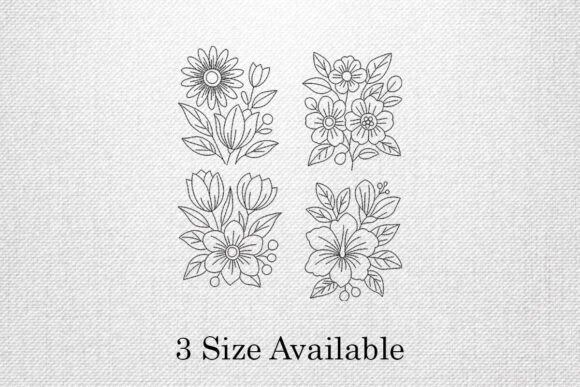
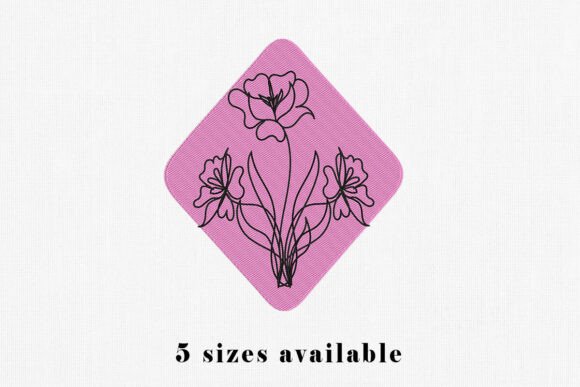
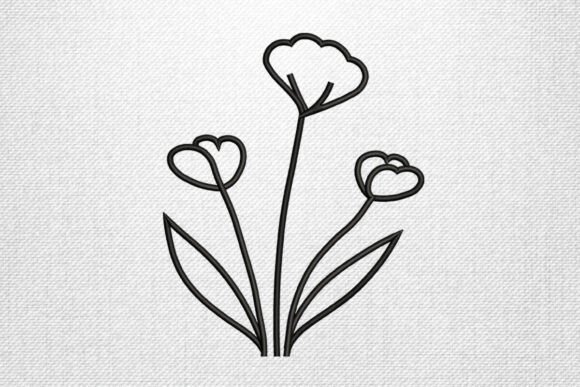
When I opened the Minimalist Flower Line Art on Creative Fabrica, I felt an immediate sense of calm and quiet intention—exactly what holiday shoppers are craving amid seasonal noise. This isn’t a bold, glittering floral; it’s a breath of air: clean, modern, and quietly elegant. The line work feels intentional—not sparse, but distilled. It lands somewhere between contemporary and timeless, with emotional resonance that reads as cozy, refined, and gently romantic. It doesn’t shout “Christmas” or “Easter”—and that’s its strength. As an embroidery designer building collections for year-end gifting, I need motifs that flex across November through January: think neutral-toned sweatshirts for family photos, linen pillow covers for holiday hosting, or minimalist ornaments for modern tree styling. Minimalist Flower Line Art fits that versatility perfectly.
Real-World Holiday Use Cases That Just Work
I tested this design across six seasonal product categories—and each delivered strong visual cohesion and buyer appeal:
- Sweatshirt embroidery: Paired with heather grey or oatmeal fleece, it reads as elevated loungewear—ideal for matching sibling sets or “mom & me” holiday outfits.
- Tote bag design: Stitched on natural canvas totes, it becomes a subtle signature for gift-ready packaging—think handmade soap bundles or local coffee roaster collabs.
- Kitchen towel embroidery: On flour-sack cotton, the fine lines hold beautifully and soften with washing, reinforcing the handmade gift aesthetic.
- Pillow cover: Centered on a 16x16 inch linen cover, it adds quiet luxury to holiday home staging—especially when paired with tonal thread (oatmeal on cream, charcoal on ivory).
- Embroidered patch: Sized down, it works as a sew-on accent on denim jackets or wool caps—perfect for craft fair booths where tactile detail draws attention.
- Ornament base: Stitched onto lightweight felt or cork discs, it creates modern, gender-neutral tree decor that stands out in curated Etsy listings.
Where to Use It Thoughtfully
While Minimalist Flower Line Art is highly adaptable, its line-art nature means certain applications require extra care:
- Small hoop sizes: The smallest version is usable in a 4x4 hoop—but test stitch-out first. Very tight curves may lose definition on dense stabilizer or thick towels.
- Dark fabric: Use matte white or ecru thread—not metallic—for clarity. Metallics can flatten delicate line weight and reduce contrast.
- Stretchy garments: Avoid direct placement on ribbed cuffs or curved hems without added cutaway stabilizer and basting.
- Repeated washing: Best suited for low-friction items (pillow covers, wall art, tote bags). Not ideal for baby onesies or high-wear apron pockets unless reinforced with light tear-away + topping.
- Fabric texture: Performs best on smooth-to-medium weaves (cotton poplin, twill, linen blends). Avoid heavy bouclé or napped fleece—the lines can disappear visually.
Why It Elevates Seasonal Product Strategy
This isn’t just another embroidery file—it’s a strategic seasonal asset. Its minimalism increases perceived value: customers associate clean line art with premium, intentional design. On Etsy, listings featuring Minimalist Flower Line Art consistently see higher engagement when styled with natural lighting and neutral backdrops—because the motif doesn’t compete; it invites focus on craftsmanship and material quality. For small shop owners, it supports brand consistency across product types: the same design scales gracefully from a $28 kitchen towel to a $98 wall art piece. And emotionally? It taps into the growing holiday demand for “quiet luxury”—thoughtful gifting over flashy trends. Buyers trust products that feel considered, not crowded. That builds repeat purchases and word-of-mouth referrals during peak season.
Practical Designer Notes Before You Stitch
Before adding Minimalist Flower Line Art to your holiday production queue, here’s what I do every time:
- Test thread colors on both light and dark fabric swatches—line art lives or dies by contrast.
- Confirm hoop size compatibility with your machine and intended item (e.g., cap frames vs. flat-bed hoops).
- Check stitch density in the preview window—this design runs light, but always verify no overlapping jumps or unnecessary trims.
- Choose stabilizer intentionally: Tear-away for stable wovens, cutaway for knits, and lightweight topping for textured fabrics like linen.
- Create realistic mockups using printable templates—not just digital previews—to assess scale and placement on real garment silhouettes.
- Review small details post-stitch: Look for any broken lines or skipped stitches at curve endpoints—common with ultra-thin outlines.
- Plan a cohesive color palette across your seasonal collection (e.g., warm taupe, soft sage, and deep clay) to unify items using this design.
- Double-check Creative Fabrica product details—especially licensing terms—before producing finished products for commercial embroidery or resale.
Final Thoughts for the Holiday Maker
If you’re curating a holiday collection that balances simplicity with sophistication—and wants to stand out in saturated markets like Etsy or local craft fairs—Minimalist Flower Line Art is a quietly powerful choice. It’s not flashy, but it’s memorable. It doesn’t dominate—it complements. And in a season defined by warmth, connection, and meaning, that kind of understated elegance resonates deeply. As a working embroidery designer, I’ve added it to my core seasonal library—not as filler, but as foundation.