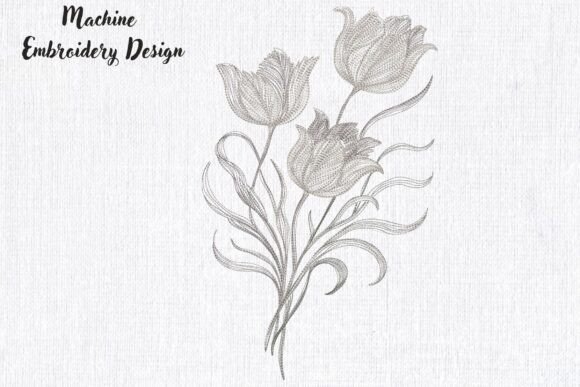
Elegant Tulip Trio Blackwork
A Seasonal Designer’s First Impression
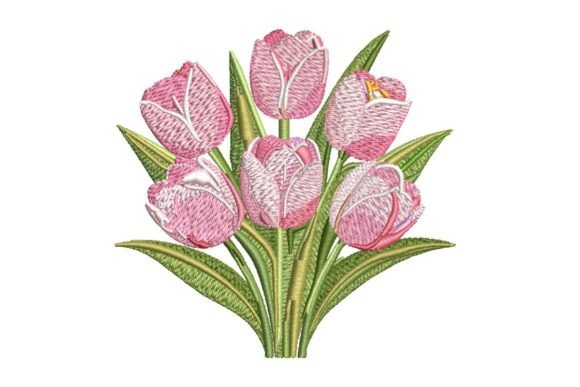
When I opened Elegant Tulip Trio Blackwork, I felt an immediate shift in mood—quiet, poised, and gently celebratory. This isn’t a loud holiday motif shouting “Merry Christmas” or “Happy Easter.” Instead, it carries the soft elegance of early spring: refined but approachable, nostalgic yet modern, romantic without being saccharine. The blackwork technique gives it structure and contrast, while the trio composition—three tulips arranged with subtle asymmetry—feels intentional, balanced, and deeply wearable across seasons. It reads as premium at a glance, which matters immensely when buyers scroll past hundreds of listings on Etsy or browse craft fair booths.
Where This Bouquet Truly Blooms: Real Holiday & Seasonal Uses
Elegant Tulip Trio Blackwork shines brightest where emotional resonance meets practicality. On kitchen towel embroidery, it adds quiet sophistication to farmhouse-style gifting—pair it with linen napkins and hand-poured candles for a curated spring hostess set. As sweatshirt embroidery, it transforms basic unisex styles into thoughtful, gender-neutral personalized gifts for Mother’s Day, birthdays, or new baby announcements. I’ve already sketched mockups for matching family sets: adult sweatshirts, toddler tees, and baby bibs—all anchored by this same clean, botanical motif.
For tote bag design, it works beautifully centered on natural canvas or oatmeal linen—ideal for farmers’ market shoppers or boutique gift bags. As a pillow cover motif, it elevates neutral décor without clashing; imagine it stitched on oat, charcoal, or deep sage velvet for Easter, bridal showers, or spring home refreshes. And yes—it translates stunningly to embroidered patch form: heat-press or sew-on versions make perfect additions to denim jackets, backpacks, or even handmade ornaments (stitched onto wool-blend felt circles with satin ribbon hangers).
This machine embroidery design also supports storytelling in listings. On Etsy, pairing Elegant Tulip Trio Blackwork with phrases like “hand-stitched with care,” “designed for heirloom gifting,” or “botanical elegance, season after season” builds instant trust. Social media previews perform well when shown in printable mockups—think flat lays with dried lavender, ceramic mugs, and handwritten tags. Its restrained detail ensures clarity even in small thumbnails, boosting visual recognition amid crowded feeds.
Use With Intention: Where to Pause & Plan
While versatile, Elegant Tulip Trio Blackwork demands thoughtful execution—not because it’s difficult, but because its charm lives in precision. Its open, non-filled style means stitch density is moderate, not heavy—but that also means it won’t mask texture. Avoid dense terry cloth or heavily napped fabrics unless you test stabilizer layers first. On dark fabric, white or ecru thread creates crisp contrast; on light backgrounds, charcoal or navy thread preserves its blackwork integrity.
It’s not ideal for tiny hoops under 3x3 inches—those delicate stem lines and petal contours lose definition. Likewise, avoid layering it over thick seams (like curved baseball caps) or highly stretchy knits without proper cutaway stabilizer and basting. And while it’s lovely on baby items, confirm thread safety standards if selling commercially: some metallic or specialty threads aren’t recommended for infant wear.
Why This Design Strengthens Your Seasonal Strategy
In holiday shopping, emotion drives purchase—and Elegant Tulip Trio Blackwork delivers quiet confidence. It doesn’t shout festivity; it whispers care, continuity, and personal meaning. That makes it uniquely effective for personalized gift positioning: monogrammed below the trio, stitched onto a linen tea towel with a handwritten note, or paired with a custom poem printed on seed paper. Buyers associate this kind of subtlety with craftsmanship—not mass production—so perceived value rises naturally.
For the Etsy seller or small shop product creator, it supports brand consistency across categories: same motif, different applications. One design becomes your spring signature—reinforcing recognition whether someone sees it on a pillow cover, apron, or embroidered patch. That cohesion builds customer trust faster than rotating trends. And because it’s rooted in timeless botanical form—not dated iconography—it stays relevant beyond a single season, supporting evergreen inventory and repeat gifting.
Designer Notes You’ll Want Before Stitching
- Test thread colors on both light and dark fabric swatches—especially if offering multi-color options. A single thread shade may read differently across fiber types.
- Check stitch density in your embroidery software. Since “Embroidery is not full filling,” expect openwork areas—confirm they’ll hold cleanly on your target fabric texture.
- Confirm hoop size before digitizing or purchasing. If no specs are listed, assume standard 4x4 or 5x7 unless otherwise noted.
- Use appropriate stabilizer: medium-weight cutaway for knits, tear-away for stable wovens, and fusible + tear-away for lightweight linens.
- Create realistic mockups—not just digital renders. Stitch a sample on your actual production fabric and photograph it in natural light.
- Review small details post-stitch: petal tips, stem junctions, and negative space should remain crisp—not blurred or distorted.
- Plan matching color palettes in advance: suggest coordinating thread kits or fabric bundles to simplify buyer decisions.
- Verify commercial licensing before selling finished products. If unclear, contact the designer or platform—never assume rights.
Final Thought: A Design That Grows With You
Elegant Tulip Trio Blackwork isn’t just another seasonal embroidery file—it’s a flexible foundation. It supports slow, intentional product development: one elegant motif, multiplied across home, fashion, and gift categories with consistent voice and vision. For the handmade gift maker, it invites storytelling. For the apparel decorator, it offers refinement without complexity. And for the digital embroidery file buyer building a library? It’s a keeper—timeless enough for next spring, meaningful enough for this holiday season. Just remember: let the design breathe, honor its simplicity, and stitch with intention. That’s where true seasonal magic begins.