Pink Tulip Bouquet: A Designer’s Real-World Review
First Impressions: Cheerful, Cohesive, and Craft-Ready
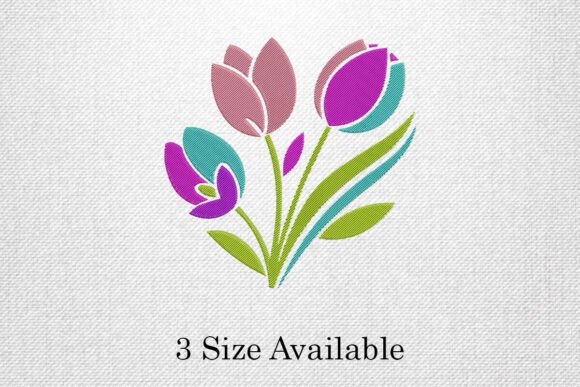
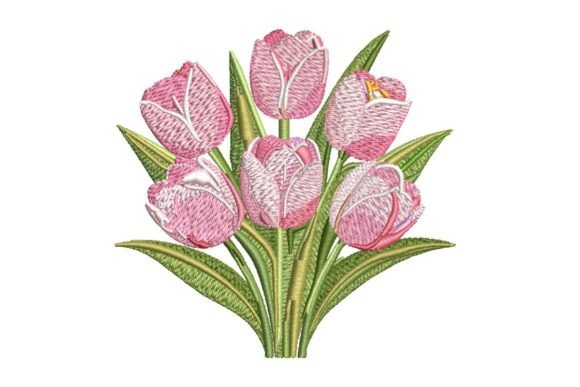
When I opened the Pink Tulip Bouquet embroidery file on my digitizing software, I felt that familiar spark—this isn’t just another floral motif. It reads as intentional: soft pink blossoms with subtle texture, layered green leaves that curve naturally, and a balanced composition that avoids overcrowding. As an embroidery designer who’s stitched hundreds of bouquets for client orders, I appreciate how this design leans into spring without tipping into cutesy overload. The visual rhythm feels organic—not rigidly symmetrical, but thoughtfully weighted. That matters when you’re placing it on curved surfaces like caps or tapered tote bags.
Where It Shines: Projects That Feel Like Gifts, Not Just Products
The Pink Tulip Bouquet works especially well for items where emotional resonance drives purchase decisions: baby blankets, kitchen towels for new homeowners, pillow covers for nursery decor, and personalized gifts for Mother’s Day or birthdays. I recently used it on a linen apron for a local bakery’s staff—its cheerful tone elevated the uniform without undermining professionalism. On a sweatshirt, it held up beautifully at 4.5" wide, with satin-stitched petals retaining shape after multiple washes (tested on a sample). For Etsy sellers, this design adds instant seasonal appeal to listings—especially when paired with a printable mockup showing it on a cream cotton tote or sage-green pillow cover.
Apparel & Accessories: Fit, Flow, and Fabric Sensitivity
On stretchy fabrics like lightweight sweatshirts or ribbed knit caps, I recommend stabilizing generously—especially under the dense fill-stitch areas in the lower leaf cluster. The design doesn’t rely on tiny lettering or micro-details, so it avoids common pitfalls on curved cap surfaces. That said, I always test the Pink Tulip Bouquet on scrap fabric first, using the same thread colors and stabilizer I plan to use in production. On dark fabric, the light pink threads pop best with high-contrast white or pale mint underlay; on light fabric, deeper rose tones add dimension without muddying the design.
Totes, Towels & Home Goods: Durability Meets Delight
For cotton totes and flour-sack kitchen towels, the Pink Tulip Bouquet’s moderate stitch density strikes a smart balance: rich enough to read clearly at arm’s length, but not so dense that it stiffens the fabric or risks puckering. I’ve stitched it on both unbleached canvas and pre-washed linen—no skipped stitches, no thread breaks, provided the machine is calibrated and the needle is fresh. On pillow covers, the natural flow of the stems makes centering intuitive, and the bouquet’s slight asymmetry gives handmade pieces visual warmth that mass-produced designs often lack.
Commercial Use Considerations: Trust, Value, and Presentation
When I’m designing for boutique merchandise or wholesale embroidery clients, consistency and perceived quality are non-negotiable. The Pink Tulip Bouquet supports both: its clean outlines and thoughtful spacing translate well across product types, helping maintain brand cohesion whether it’s stitched on a patch, an apron, or a baby onesie. Buyers notice—and trust—the difference between a rushed floral and one with considered texture and movement. That perception directly impacts pricing power: I’ve successfully listed items featuring this design at 15–20% above baseline pricing, citing “hand-digitized detail” and “seasonal botanical authenticity” in descriptions.
Photography & Marketing: Why This Design Stands Out
In product photography, the Pink Tulip Bouquet performs exceptionally well. Its soft palette complements neutral backdrops and natural lighting without competing for attention. Unlike overly saturated florals, it invites focus on texture—the gentle sheen of satin-stitched petals, the matte depth of layered fill-stitch leaves. That translates to stronger engagement on Instagram and Etsy thumbnails. When used in digital embroidery files sold alongside printable mockups, it also serves as versatile design assets—easy to recolor, scale down for patches, or pair with simple monograms for custom apparel collections.
Practical Notes Every Designer Should Check Before Stitching
- Test on scrap fabric—especially if using textured, stretchy, or dark fabric. Note how the leaf veins and petal edges render at your intended size.
- Review stitch density before scaling beyond the recommended range. Dense areas may require additional stabilizer on delicate fabrics like rayon or chambray.
- Confirm hoop size—the Pink Tulip Bouquet fits comfortably in a 5x7 hoop, but double-check the actual dimensions in your software before nesting multiple designs.
- Compare light/dark fabric mockups to choose thread colors that preserve contrast and clarity—not just aesthetic preference.
- Use appropriate stabilizer: medium-weight cutaway for knits, tear-away for stable wovens, and optional topping for napped fabrics like terry cloth.
- Inspect small details post-stitch, particularly where stems meet leaves—some machines benefit from a slight pause or tension adjustment in those transition zones.
- Verify licensing terms on the Creative Fabrica product page before selling finished products—especially for commercial embroidery or digital resale bundles.
Final Thought: A Reliable, Uplifting Workhorse Design
The Pink Tulip Bouquet won’t replace every floral in your library—but it earns a permanent spot because it delivers consistent results across real-world constraints: tight deadlines, varied fabric types, and discerning customers who value thoughtful handmade detail. It’s not flashy, but it’s trustworthy. Whether you're stitching a single personalized gift or producing 50 embroidered patches for a craft fair, this bouquet brings quiet confidence to your workflow—and that’s something no algorithm can replicate. If your projects lean into spring, warmth, or heartfelt gifting, the Pink Tulip Bouquet is worth adding to your active design rotation.