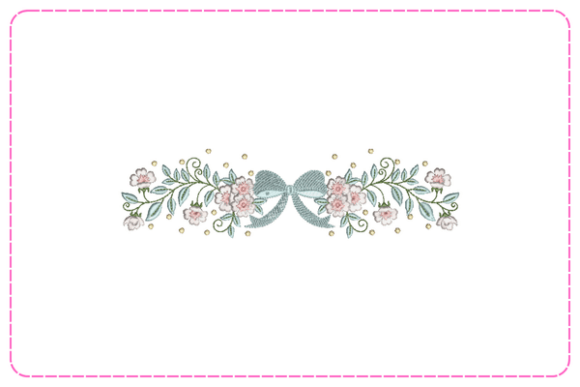
Floral Border Embroidery Designs
A Designer’s First Look: Graceful, Not Fussy
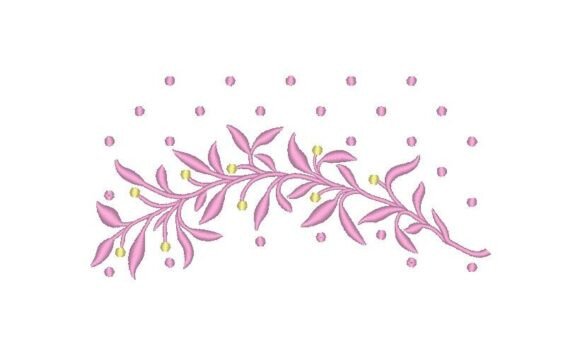
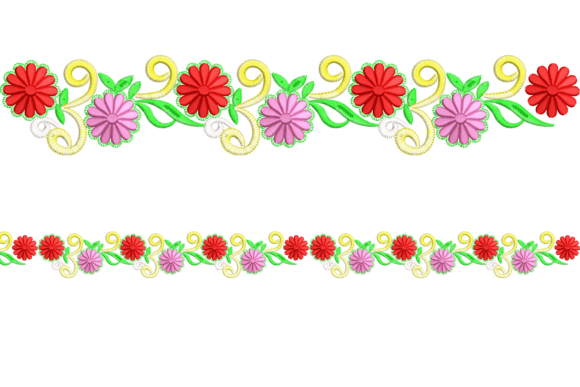
When I opened Floral Border Embroidery Designs, what struck me wasn’t flashiness—it was balance. The motif flows like a quiet garden edge: soft curves, varied petal sizes, and subtle spacing between blooms that invites the eye without crowding it. It’s not overly dense, nor is it sparse—it lands right where a working designer wants it: versatile enough for a linen tea towel but refined enough for a boutique baby blanket. As a machine embroidery design, it leans into organic rhythm rather than rigid symmetry, which makes it feel handmade even before the needle moves.
Real Project Test: A Custom Tote Bag for a Local Bookstore
Last week, I used Floral Border Embroidery Designs to finish a limited-run tote bag for a neighborhood indie bookstore—cotton canvas, medium weight, with a natural off-white base. I placed the border along the bottom hem, just above the seam. The result? Instant warmth and intention. Customers paused at the counter—not because it shouted, but because it felt considered. That’s the quiet strength of this design: it elevates a simple finished product without competing with text or branding. For Etsy sellers or small shop owners, that kind of subtle polish builds trust faster than any tagline.
Where It Shines (and Where It Needs Thought)
Floral Border Embroidery Designs works beautifully on stable, medium-weight fabrics—think denim aprons, cotton pillow covers, twill tote bags, and brushed cotton sweatshirts. On those surfaces, the satin stitch petals hold shape, the fill stitch leaves gentle texture, and the running stitch vines add movement without snagging.
- Great for: Personalized gifts (baby onesies, holiday tea towels), custom apparel (sweatshirt hems, cap brims), embroidered patches (when digitized with clean underlay), and nursery decor (wall hangings, quilt binding accents).
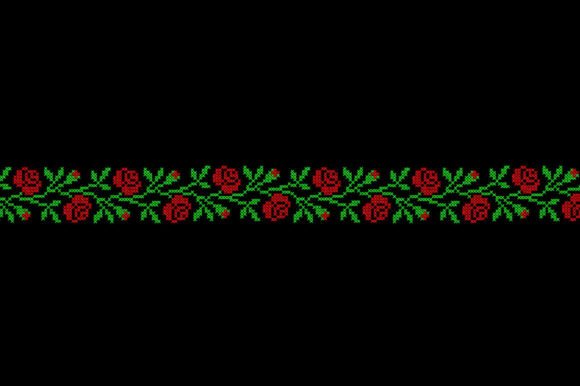
- Use carefully on: Stretchy knits (pre-stabilize heavily), very thin fabrics like voile (test stitch density first), dark backgrounds (some floral details may soften visually), and curved surfaces like structured caps (verify hoop size fits the curve).
Stitching Clarity Meets Commercial Sense
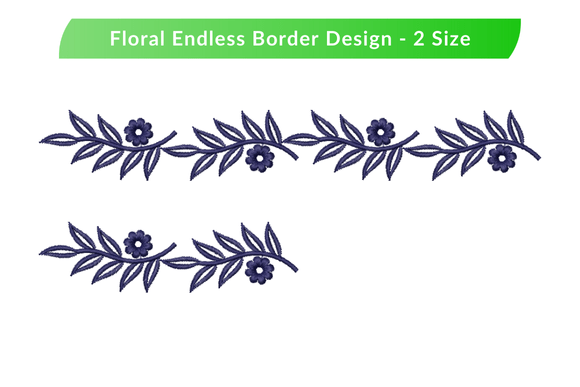
This isn’t a “set-and-forget” embroidery file. It rewards attention. I noticed the inner vine work uses lighter fill density—smart for breathability on apparel—but that also means it can disappear on busy prints or low-contrast thread. When I stitched it in navy thread on charcoal sweatshirt fabric, the outline stayed crisp, but the smaller buds needed a slight color lift (I switched to a heathered teal). For craft business owners listing on Etsy, that’s worth noting: your mockups should show both light and dark fabric backgrounds, and your product photos must reflect real thread contrast—not just idealized digital previews.
Also, while the design reads well at standard sizes, shrinking it below 3.5 inches wide risks losing definition in the stamens and leaf veins. If you’re planning a delicate baby embroidery piece or a tiny embroidered patch, test the smallest intended size on scrap fabric first. Don’t rely on screen zoom.
Design Assets That Support Your Brand—Not Distract From It
As someone who curates design assets for client projects and my own small shop, I value how Floral Border Embroidery Designs supports brand consistency. It doesn’t scream “vintage” or “modern”—it simply feels timeless. That neutrality makes it adaptable: pair it with serif monograms for wedding gifts, or layer it beneath bold typography for a craft fair tote. It also scales gracefully across product types—from a single border on a kitchen towel to framing an entire pillow cover—without needing multiple versions.
For digital product sellers, this flexibility is gold. One well-digitized digital embroidery file can serve dozens of use cases, especially when bundled thoughtfully (e.g., “Floral Border + Monogram Set” for personalized gifts). Just remember: if you plan to resell finished items or include this as part of a commercial embroidery kit, confirm licensing terms before launch. The description says it’s for “pillows, towels, bags, apparel, or home decor”—but commercial reuse rights aren’t implied unless explicitly stated.
Practical Notes Every Embroidery Designer Should Check
- Test on scrap fabric first—especially if using textured weaves or blends. What looks smooth on screen may catch on slubs or pile.
- Review stitch density before hooping. Overly dense areas can cause puckering on lightweight cotton; too-light fills won’t read well on dark fabric.
- Confirm hoop size compatibility. This design spans comfortably in a 5x7 hoop, but check whether corners align cleanly if stitching near seams or edges.
- Inspect small details at actual stitch-out size—petal tips, vine ends, and junction points should be clean, not frayed or over-trimmed.
- Try black-and-white mockups to assess contrast and silhouette. If it reads clearly in grayscale, it’ll translate across thread palettes and fabric tones.
- Match stabilizer to end use: tear-away for stable home decor, cut-away for stretchy apparel, and lightweight fusible for delicate linens.
- Ask yourself: Does this support the story of my handmade product? Does it feel intentional—not decorative filler?
Final Thought: A Quiet Workhorse, Not a Flashy Guest
Floral Border Embroidery Designs won’t go viral for its novelty. But it will earn repeat use—on baby blankets gifted at showers, on aprons sold at farmers’ markets, on sweatshirts worn daily by teachers and librarians. Its strength lies in reliability, adaptability, and visual calm. For designers, craft business owners, and Etsy sellers building long-term customer relationships, that kind of quiet consistency is harder to find—and far more valuable—than trend-driven flair. Stitch it thoughtfully, pair it with purpose, and let the flowers speak for themselves.