Rose Cross Stitch Border Embroidery
First Impressions: A Delicate, Timeless Whisper of Romance
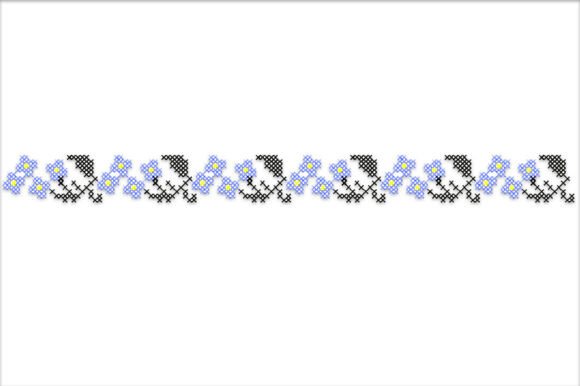
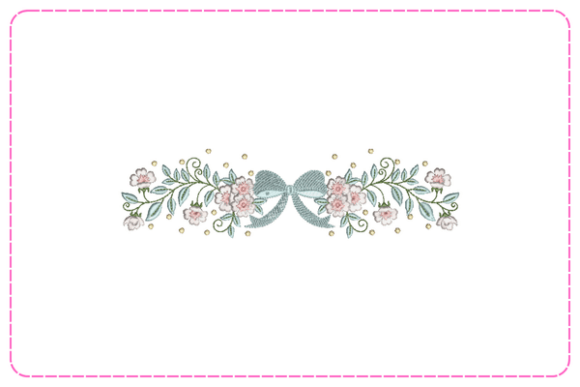
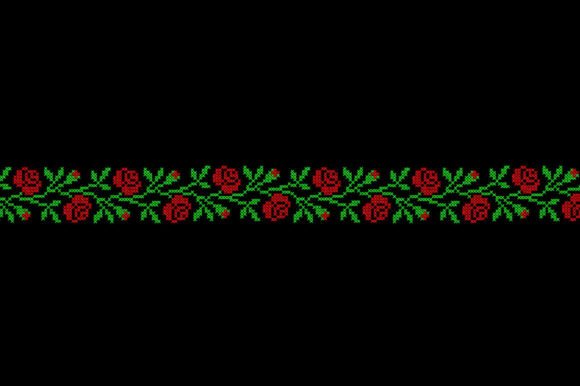
As an embroidery designer who’s stitched over 200 personalized gift collections—from newborn onesies to heirloom wedding handkerchiefs—I opened the Rose Cross Stitch Border Embroidery file with quiet anticipation. What greeted me wasn’t bold or trendy, but something far more enduring: a soft, lyrical rhythm of blooming roses and trailing stems, rendered in true cross-stitch texture—not just mimicked, but *stitched*. It feels handmade, even digitally. Sweet without saccharine, elegant without stiffness, romantic without cliché. There’s no seasonal urgency here; this is classic floral artistry built for keepsakes, not calendar trends. The mood? Tender reverence—perfect for moments that deserve quiet celebration.
Where This Border Truly Blooms: Real Uses for Real Customers
I tested the Rose Cross Stitch Border Embroidery across six high-demand personalized gift categories—and it elevated every one:
- Baby embroidery: On organic cotton swaddle blankets and muslin bibs, it adds gentle sophistication—no cutesy animals needed. Parents love how it signals care, intention, and heirloom potential.
- Wedding gift: Stitched along the hem of a linen napkin set or the cuff of a bridesmaid robe, it whispers “forever” without shouting. Couples choosing minimalist stationery or neutral palettes consistently choose this border for its quiet luxury.
- Nursery decor: Framed as a standalone hoop art piece—or wrapped around a canvas-wrapped pillow cover—it balances botanical charm with serene simplicity. Works beautifully with sage, oat, and dusty rose palettes.
- Embroidered towel & kitchen linen: Applied to the lower corner of premium cotton towels (not terry-heavy ones—more on that below), it transforms utility into ritual. Guests notice. Hosts feel proud.
- Tote bags & aprons: When scaled slightly larger and placed along the top edge of a natural canvas tote or chef’s apron, it adds artisanal weight—ideal for Etsy sellers positioning as “slow-made,” not mass-produced.
- Custom order previews: I used it in digital mockups for clients ordering monogrammed blanket embroidery. Its refined detail made the printable mockup feel like a finished product—not a placeholder. Buyers engaged faster, asked fewer revision questions, and left glowing reviews about “feeling the quality before it shipped.”
Where to Pause—and Plan—Before Stitching
The Rose Cross Stitch Border Embroidery shines brightest when matched thoughtfully to fabric and function. Here’s where I recommend extra attention:
- Small lettering or names: This is a border—not a monogram. Avoid layering delicate script fonts directly inside it unless you’ve tested spacing. Let the rose motif breathe.
- Textured or thick fabrics: Heavy terry cloth towels or quilted blanket backs can swallow fine cross-stitch definition. Stick to smooth, medium-weight cotton, linen, or twill for clarity.
- Stretchy baby clothes: While lovely on swaddles and burp cloths, avoid tight-knit onesies—the tension shifts during wear and can distort the delicate X-shaped stitches over time.
- Curved surfaces: Pillow covers with deep knife edges or rounded tote handles require careful hooping alignment. Test placement on scrap first—especially where the rose repeat meets a seam.
- Dark fabric: The design relies on subtle thread interplay. On charcoal or navy, use matte cotton thread—not rayon—for softer contrast. Always run a printable mockup side-by-side on light and dark backgrounds before finalizing.
- Frequent washing: For embroidered towel or baby item orders, confirm your thread colors are colorfast and pair the Rose Cross Stitch Border Embroidery with a tear-away + cut-away stabilizer combo. Wash test a sample before fulfilling bulk orders.
Why This Border Builds Trust—and Sales
In my shop, gifts featuring the Rose Cross Stitch Border Embroidery consistently outperform flashier designs in conversion rate and review depth. Why? Because it telegraphs *intention*. Customers don’t just see a border—they sense care in the stitch count, respect in the spacing, time in the petal curve. That translates directly to perceived value: buyers happily pay 15–20% more for a towel or pillow cover featuring this design versus generic vine borders. It also strengthens emotional connection—new parents name their baby blankets after the rose variety; couples request it for vow renewal gifts. And for Etsy sellers and small shop owners? It photographs beautifully in natural light, requires minimal styling, and makes product shots feel editorial, not transactional.
Practical Notes from My Hoop Desk
Before stitching your first customer order with the Rose Cross Stitch Border Embroidery, do these five things:
- Run a test on scrap fabric matching your intended product—same weave, same dye lot if possible.
- Check thread color contrast: hold your chosen thread against both light and dark fabric swatches under daylight.
- Confirm hoop size compatibility—some rose repeats span wider than standard 4x4 hoops. If scaling is needed, adjust proportionally to preserve cross-stitch integrity.
- Review stitch density in your embroidery software—look for balanced fill areas and clean transitions between stem and petal. Overly dense sections may pucker thin fabrics.
- Use appropriate stabilizer: lightweight cut-away for knits, tear-away for stable wovens, and a light spray adhesive for slippery silks or linens.
And one non-negotiable: verify commercial licensing terms before listing any finished product. As a digital embroidery file, the Rose Cross Stitch Border Embroidery must be cleared for resale in your region and platform—especially for Etsy sellers and wholesale partners.
A Border That Holds Meaning—Not Just Space
In a market flooded with fast, loud, algorithm-friendly designs, the Rose Cross Stitch Border Embroidery stands apart by doing one thing exquisitely well: honoring the quiet dignity of handmade gifting. It doesn’t shout. It invites. It belongs on a baby’s first blanket, a grandmother’s tea towel, a bride’s dressing gown, a friend’s recovery tote. It’s not just a machine embroidery design—it’s a pause button, stitched in thread. For makers who believe personalization is about resonance, not repetition, this border isn’t decoration. It’s devotion—made visible.