Pink Floral Branch: A Boutique Sweatshirt Designer’s Review
First Impressions: Delicate, Intentional, and Quietly Confident
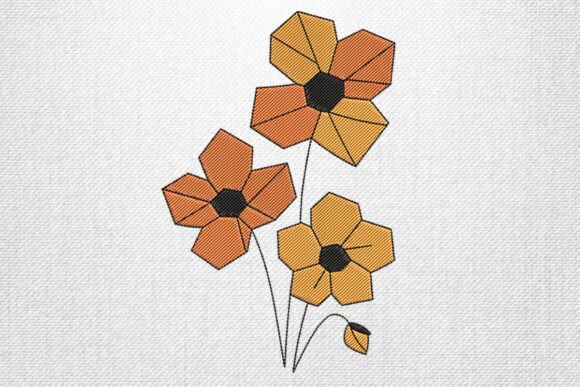
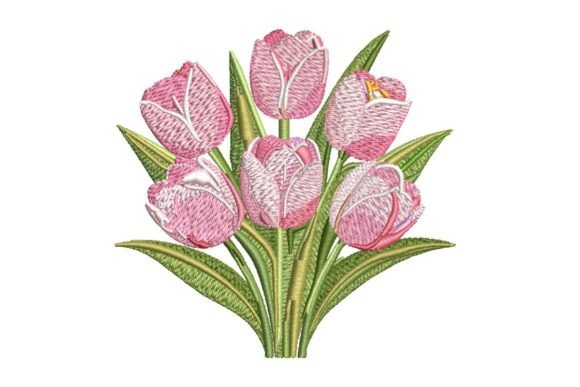
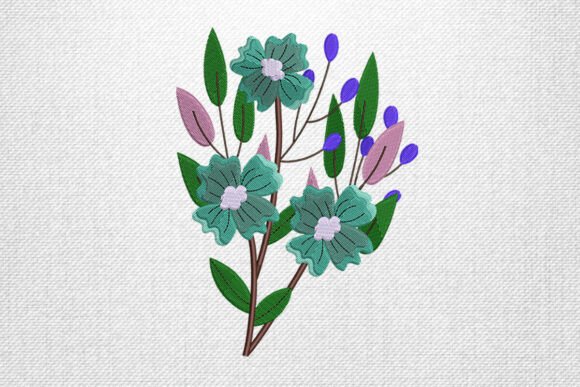
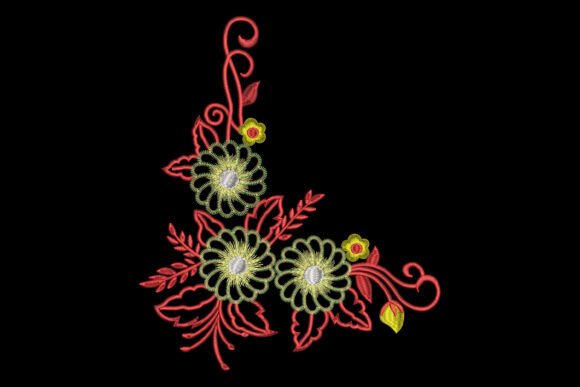
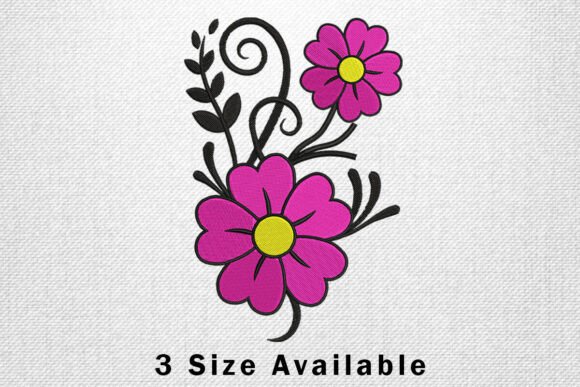
When I opened the Pink Floral Branch embroidery file for the first time—prepping it for a limited-run sweatshirt collection—I felt that familiar spark of recognition: this isn’t just another floral motif. It’s a considered composition. Two pink flowers, balanced but asymmetrical; black stems with subtle curvature; leaves rendered with quiet precision—not fussy, not minimal, but *alive*. The mood is feminine without leaning into cliché, elegant without stiffness, and softly botanical without feeling rustic or vintage-coded. As a machine embroidery design, its stitching personality leans toward refined hand-drawn charm—think ink sketch meets heirloom stitchwork—not bold graphic statement or maximalist fill.
How It Lives on Real Sweatshirts
I tested Pink Floral Branch across five fabric scenarios common to small shop product development: natural heather grey sweatshirts, charcoal French terry hoodies, blush-toned oversized crewnecks, oatmeal linen-blend pullovers, and deep navy fleece-lined jackets. On neutral bases, the pink blooms pop with warmth—not neon, not dusty—but true, soft rose that reads as intentional color storytelling. Against dark fabric, the black stems anchor the design beautifully, while the pink thread gains depth and dimension rather than fading. Pastel backgrounds let the contrast breathe; the black outlines prevent visual bleed and maintain clarity even at 3.5"–4.5" chest placement.
For hoodie design applications, Pink Floral Branch shines as a left-chest accent—its vertical flow complements the natural drape of the neckline. It also works surprisingly well on sleeve cuffs (rotated 90°) and along the back yoke, where the branch’s organic line echoes shoulder seam lines. As boutique brand embroidery, it avoids looking “clip-art” or mass-produced—it feels like part of the garment’s narrative, not an afterthought.
Design Integrity in Production: What You Need to Know
Thread colors are critical here. The description specifies pink flowers and black stems/leaves—so choose high-quality, colorfast rayon or polyester threads with rich saturation. Avoid low-contrast pinks on light greys or creams; test swatches first. Stitch density appears moderate—not overly dense, which is ideal for sweatshirt embroidery. That means less risk of puckering on midweight cotton-poly blends, and better drape retention post-embroidery. Still, I recommend a medium-weight cutaway stabilizer for commercial embroidery runs, especially on loopback fleece or brushed fabrics where tension shifts easily.
Hoop size? Likely fits comfortably in a 4"x4" hoop—ideal for small shop setups and Etsy seller workflows. But always verify before production: if your digitizing includes underlay or complex satin stems, confirm the actual dimensions. Small-size readability holds up well—even at 3.25", the petal definition and stem texture remain legible. No micro-details that vanish on fabric. That’s essential for handmade product credibility: customers zoom in on Etsy listings, and they’ll notice if a bloom looks like a smudge instead of a bloom.
Wash Durability & Long-Term Wear
The black stems provide structural rhythm—and because they’re outlined with clean satin or stem stitch (common in quality embroidery files), they hold shape through repeated laundering. Pink fill areas use smooth, consistent satin or tatami fill—no thin-thread gaps or feathering. That means fewer snag points, less lint accumulation, and stronger resistance to wear around high-friction zones like underarms or hems. For small shop product longevity, that translates directly to fewer returns, more repeat buyers, and higher perceived value.
Brand Impact: Beyond the Stitch
As a boutique brand, your embroidery isn’t decoration—it’s brand punctuation. Pink Floral Branch supports that role exceptionally well. It’s distinctive enough to become a signature (imagine it embroidered on tags, packaging, or tote bags alongside your logo), yet versatile enough to scale across seasons. Pair it with minimalist typography on product photography, and it reads as elevated lifestyle branding—not craft fair novelty. On printable mockups, it renders cleanly across devices, helping Etsy sellers build cohesive, scroll-stopping listings.
Customer engagement rises when embroidery feels intentional. This design invites pause: “Is that hand-drawn?” “Did they grow those flowers?” That emotional resonance builds trust. Buyers don’t just purchase a sweatshirt—they invest in a story told through thread. And for creative entrepreneurs, Pink Floral Branch reinforces handmade authenticity without sacrificing polish. It says, “We care about detail,” not “We ran a template.”
Where It Fits—and Where to Pause
This is a Bouquets-category embroidery file that leans into quiet sophistication—not wild abundance or dramatic drama. It’s not built for aggressive streetwear branding or oversized back designs over 6". It thrives in thoughtful placements: chest, sleeve, hemband, or inner cuff. If your brand voice is playful, bold, or ultra-minimal, consider how Pink Floral Branch harmonizes—or contrasts—with your existing design assets.
Before committing to a full run, always check the embroidery file specs: actual stitch count, recommended hoop size, thread chart, and whether it includes multiple format options (.dst, .pes, .jef). These details affect workflow speed, machine compatibility, and final consistency—especially important for small shop owners juggling orders solo.
Final Thought: A Design That Earns Its Place
Pink Floral Branch doesn’t shout. It lingers. In a market flooded with generic florals and over-digitized motifs, it stands out by honoring restraint, contrast, and botanical truth. For sweatshirt embroidery that elevates your custom apparel—not just decorates it—this is a digital embroidery file worth testing, refining, and building around. It’s ready for your next limited drop, your Etsy bestseller, or your signature hoodie design. Just remember: pair it with intention, stabilize with care, and let the pink—and the black—speak for themselves.